- 9811152332
- rohit@threefold.in

Fleet Efficiency: How People, Technology and Data Are Shaping the Future of Fleet Operations
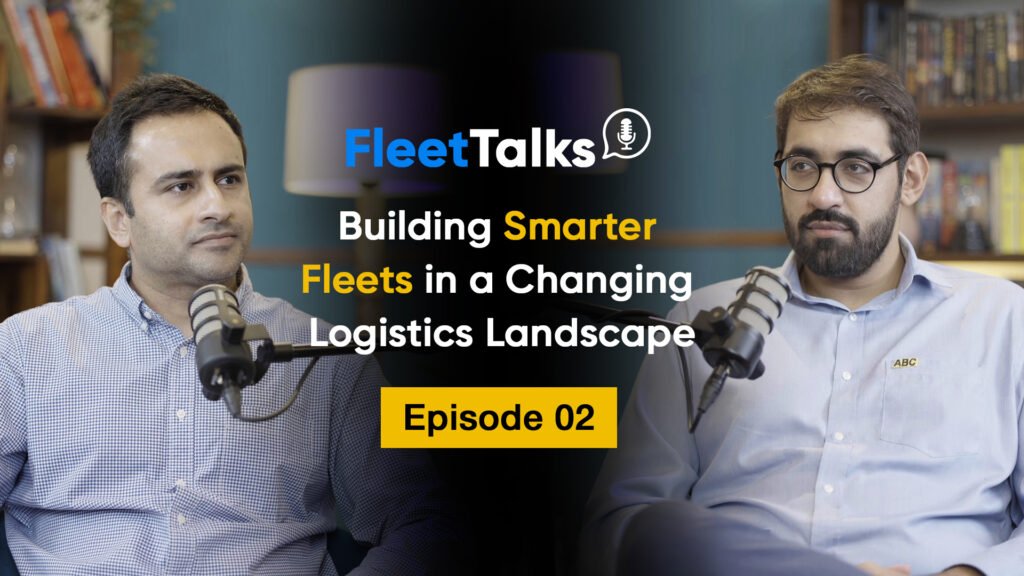
India’s fleet and logistics industry is entering a defining phase. Fleet sizes are growing, technology is advancing rapidly and customer expectations are changing, yet profitability continues to remain under pressure. Driver shortages, rising operating costs, tighter margins and the need for greater efficiency are forcing fleet operators to rethink how they build and run their businesses. These challenges formed the central theme of the second episode of Fleet Talks, hosted by Rohit Dewan, Portfolio Director, Future Fleets Forum. The episode featured Tansher Singh, Managing Director, ABC Express, who shared his perspective on the changing dynamics of fleet operations and why the future of logistics will depend on smarter, more efficient businesses.
Drawing from his experience in the logistics industry, Tansher spoke about the need to look beyond conventional measures of fleet growth. According to the perspective explored in the conversation, the future of logistics is not simply about adding more trucks or hiring more drivers. It is about creating businesses where technology, operational efficiency and data-driven decision-making can work together to improve profitability while also creating better opportunities for drivers.
One of the key themes of the conversation was the changing nature of the challenges facing fleet operators. Every generation of transport entrepreneurs has had to deal with a defining set of issues, whether related to infrastructure, fuel prices or regulation. For today’s fleet operators, however, the challenge is becoming more interconnected. Finding good people, making technology work and improving profitability are no longer separate priorities. They are linked to one another and need to be addressed together.
The shortage of skilled drivers emerged as one of the most important issues facing the industry. India’s commercial vehicle population continues to grow, but fleet operators are finding it difficult to attract and retain skilled drivers. The discussion explored whether this is simply a shortage of manpower or whether it represents a deeper structural challenge for the industry.

A major part of this challenge is the perception of truck driving and fleet operations as career choices. As the logistics industry expands, changing this perception will become increasingly important. The conversation considered several factors that could influence this shift, including compensation, working conditions and the level of respect associated with the profession.
Tansher also highlighted the importance of looking at drivers not merely as manpower but as partners in the fleet ecosystem. This raises an important question for fleet operators: can better driver productivity and better driver earnings go hand in hand? The discussion explored how technology and innovative operating models could potentially contribute to creating this balance.
For years, fleet growth was often associated with hiring more people and adding more vehicles. But the industry is now beginning to ask a different question: Can technology help fleets do more with the same workforce? The conversation examined the growing relevance of technologies such as AI, telematics, predictive maintenance, route optimisation and automation. Rather than viewing these technologies simply as industry buzzwords, the discussion focused on where they can create tangible business impactfor fleet operators.
For operators managing fleets on the ground, the value of technology ultimately comes down to measurable improvements in operations. Better visibility, more informed decision-making and greater control over fleet performance can help businesses move towards more scalable models of operation. Data is an important part of this transition. As fleets become increasingly connected, the amount of information available to operators continues to grow. The ability to use that information effectively can play an important role in making fleet businesses more scalable and efficient.

At the same time, technology adoption remains a challenge, particularly for smaller fleet operators. Many continue to see digital solutions primarily as an additional cost. The discussion therefore explored the need for operators to rethink technology not simply as an expense, but in terms of the business value and operational improvements it can deliver. One of the strongest ideas emerging from the conversation was the distinction between growing a fleet and improving a fleet. Increasing fleet size does not automatically translate into sustainable profitability. In an environment where freight rates remain under pressure, customers continue to negotiate and fuel costs fluctuate, simply adding more vehicles can increase operational complexity without necessarily improving margins.
This makes utilisation increasingly important. Fleet operators need to focus on how effectively their existing assets are being used and how much value can be generated from every vehicle, every driver and every operating hour. The conversation therefore positioned efficiency as a critical driver of sustainable growth. Instead of viewing expansion as the primary measure of progress, fleet businesses need to pay greater attention to productivity, utilisation and operational discipline.
Profitability remains one of the biggest concerns for the fleet industry. In such an environment, the next generation of profitability is likely to come not from a single intervention, but from improving multiple aspects of fleet performance. The discussion explored several potential profitability drivers, including fuel efficiency, vehicle utilisation, turnaround time, predictive maintenance and driver productivity. Each of these factors can influence the economics of fleet operations, making it increasingly important for operators to understand where their biggest opportunities for improvement lie.
This also reinforces the broader role of technology. Technology is valuable only when it improves business performance. Whether through better utilisation, improved maintenance planning, more efficient routes or greater driver productivity, digital tools need to translate into measurable operational outcomes. The underlying message is clear: fleet efficiency is no longer simply about reducing costs. It is becoming a competitive advantage. The conversation also looked beyond individual fleet businesses to the wider ecosystem in which India’s logistics industry operates.

With logistics expected to play a critical role in India’s economic growth ambitions, government initiatives such as Gati Shakti, FASTag, e-way bills and investments in highway infrastructure have already contributed to the evolution of the sector. However, the discussion acknowledged that there is still more that can be done to make India’s fleet industry more efficient, profitable and globally competitive.
The role of policy therefore remains an important part of the industry’s future. Creating an environment in which fleet operators can improve efficiency, adopt technology and operate more effectively will be essential as India’s transportation requirements continue to grow. The conversation also posed an important question for policymakers: if fleet leaders could recommend three policy changes directly to government, what would they prioritise? This brought the discussion back to the need for collaboration between industry and policymakers in shaping the future of Indian logistics.
Perhaps the biggest takeaway from Episode 02 of Fleet Talks is that the future of fleet management cannot be defined by technology alone. Technology can provide the tools. Data can provide the insights. But people and operational discipline determine how effectively those tools are used. For an industry facing a manpower crunch, rising costs and pressure on margins, the path forward will require fleet operators to rethink traditional approaches to growth. The objective is not necessarily to build bigger fleets, but to build smarter and more productive ones.