- 9811152332
- rohit@threefold.in

Fleet Digitisation: How Technology Is Reshaping the Future of Fleet Operations
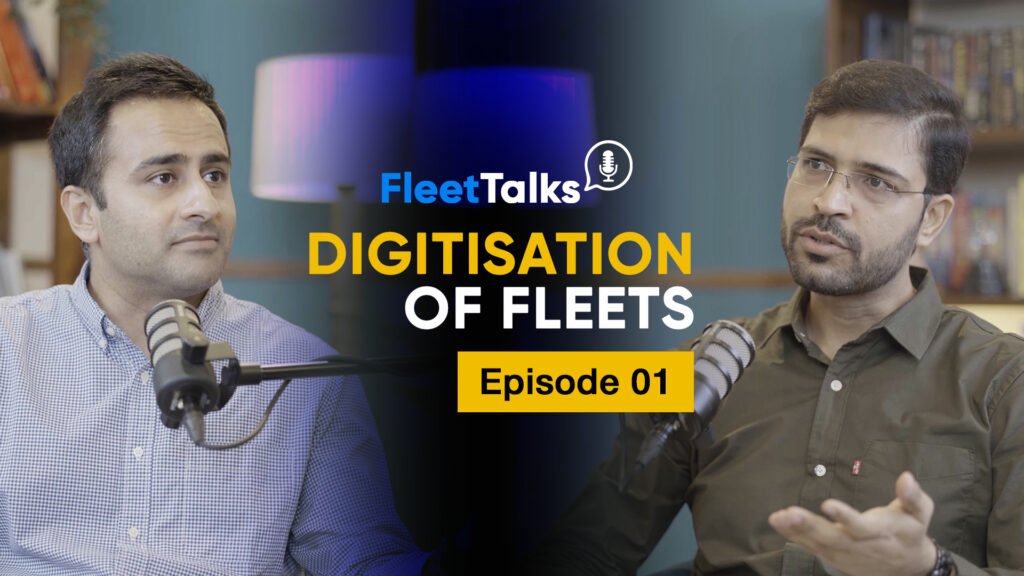
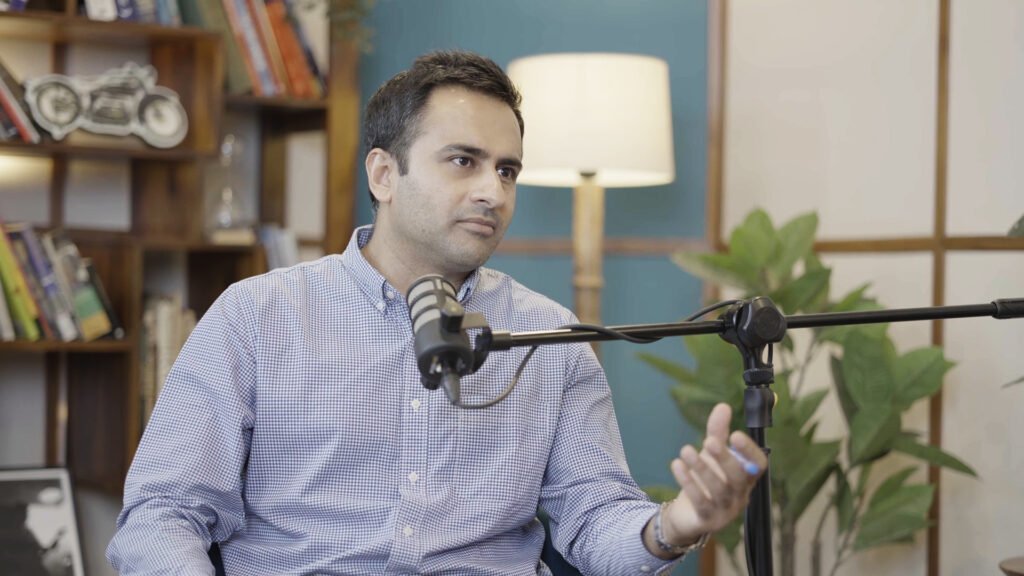
The fleet and logistics industry has undergone a significant transformation over the years, moving from manual processes and traditional ways of managing operations towards GPS, connected vehicles, data analytics and, increasingly, artificial intelligence. This evolution formed the central theme of the first episode of Fleet Talks, hosted by Rohit Dewan, Portfolio Director, Future Fleets Forum. The episode featured Manish Sharma, Managing Partner, S M Carrying Corporation, who shared his perspective on how the industry has evolved and how technology is changing fleet management on the ground.
Drawing from his experience in the logistics and fleet industry, Manish Sharma spoke about the journey from an era of manual registers and frequent phone calls to an environment where GPS, connected vehicles, data analytics and AI-driven fleet management are becoming increasingly relevant. His observations highlighted how the role of technology in fleet operations has evolved over time and how fleet operators are adapting to these changes.
One of the key aspects of the conversation was understanding what has changed in the logistics industry over the years. Manish reflected on the early years of the business and the changes that have taken place not only in terms of technology but also in the way fleet and logistics businesses operate. His experience offered an on-ground view of an industry that has progressively moved away from manual and largely traditional processes towards more technology-enabled operations.
Manish also discussed the operational challenges that eventually made traditional ways of working less effective. The conversation explored what prompted fleet operators to look for new approaches and, more importantly, where technology has made the biggest difference in actual fleet operations. Rather than looking at digitisation simply as a technology trend, the discussion focused on the practical changes that technology has brought to the way fleets are managed.
According to Manish’s perspective, the evolution of fleet technology can be seen as a gradual progression. GPS and connected vehicles first provided greater visibility into fleet movement and operations. Data analytics then created opportunities to make greater use of the information generated by vehicles and operations. Today, AI-driven fleet management is emerging as the next stage of this evolution. Having witnessed these changes over the course of his career, Manish provided a first-hand perspective on how each phase has contributed to the changing nature of fleet management.
At the same time, Manish pointed out that technology adoption is not yet universal across the fleet industry. The conversation examined why some fleet operators continue to hesitate when it comes to adopting digital platforms. This highlighted an important aspect of the industry’s digital journey: the availability of technology does not automatically result in adoption. Fleet operators also have to be willing to change established processes and embrace new ways of working.
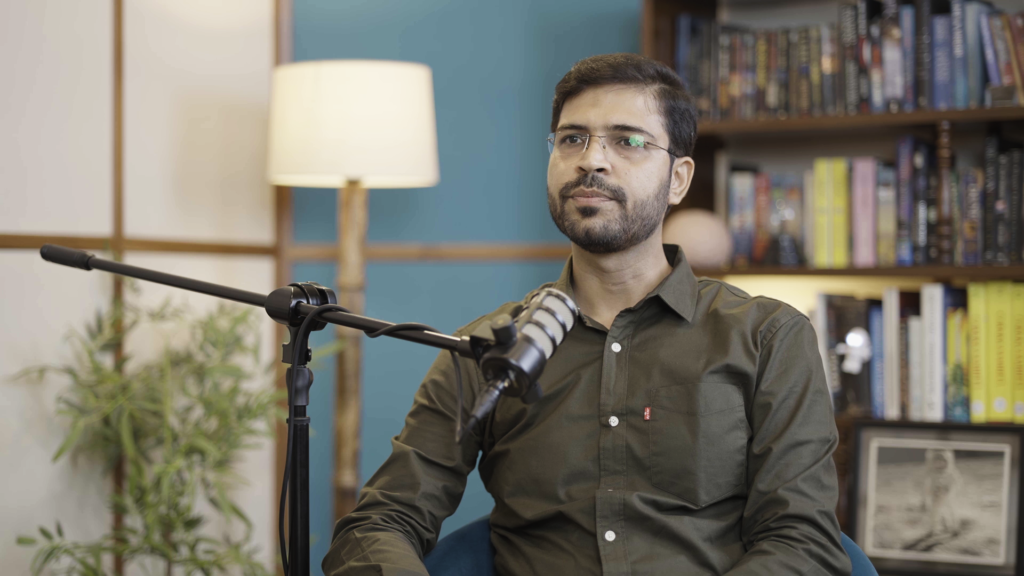
The discussion also moved beyond technology itself to consider its impact on the human side of fleet management. Manish and Rohit explored whether increasing automation and digitalisation could reduce personal relationships and human judgement, which have traditionally played an important role in fleet operations. The conversation considered whether technology should be viewed as a replacement for human experience or as a tool that can work alongside it.
This question is particularly relevant as fleet management becomes increasingly data-driven. While digital platforms can make operations faster and more transparent, the experience and judgement of fleet professionals remain important in interpreting information and making operational decisions. The discussion therefore highlighted the importance of finding the right balance between technology and human expertise rather than treating the two as competing forces.
Another important takeaway from Manish’s experience is that fleet digitisation is a continuing journey. The industry has already moved through several stages, from manual processes to GPS and connected vehicles, and then towards analytics and AI. As technology continues to develop, fleet operators will need to keep evaluating how new tools can address their operational challenges and create practical value.
The conversation also brought out a broader message about the pace of change in the fleet industry. Technology may provide the tools for transformation, but the willingness of businesses and people to adopt those tools ultimately determines how effectively they are used. This was one of the key observations emerging from the conversation as Manish shared his experience of witnessing the industry evolve over the years.
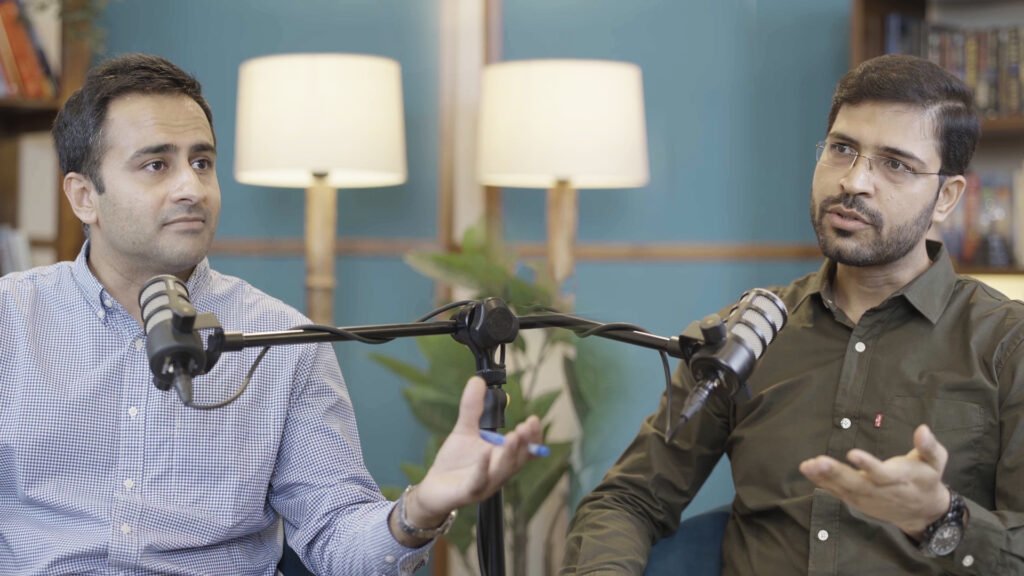
As the first episode of Fleet Talks, the conversation with Manish Sharma provides an insightful look at the digital transformation taking place across India’s fleet and logistics sector. His experience offers a practical perspective on where the industry has come from, how technology has changed fleet operations and why adoption will remain an important part of the journey ahead.
With Fleet Talks continuing its conversations with fleet owners, technology leaders and industry experts, the first episode sets the context for the discussions to follow. It also leads into the upcoming 2nd Edition of Future Fleets Forum in Mumbai, where the future of fleet operations, technology and road transportation will continue to be explored.